
Verified dental outcome
45 new patients from a focused acquisition campaign.
A dental campaign built around high-intent search, location-specific pages, and call tracking turned local demand into measurable new-patient growth.
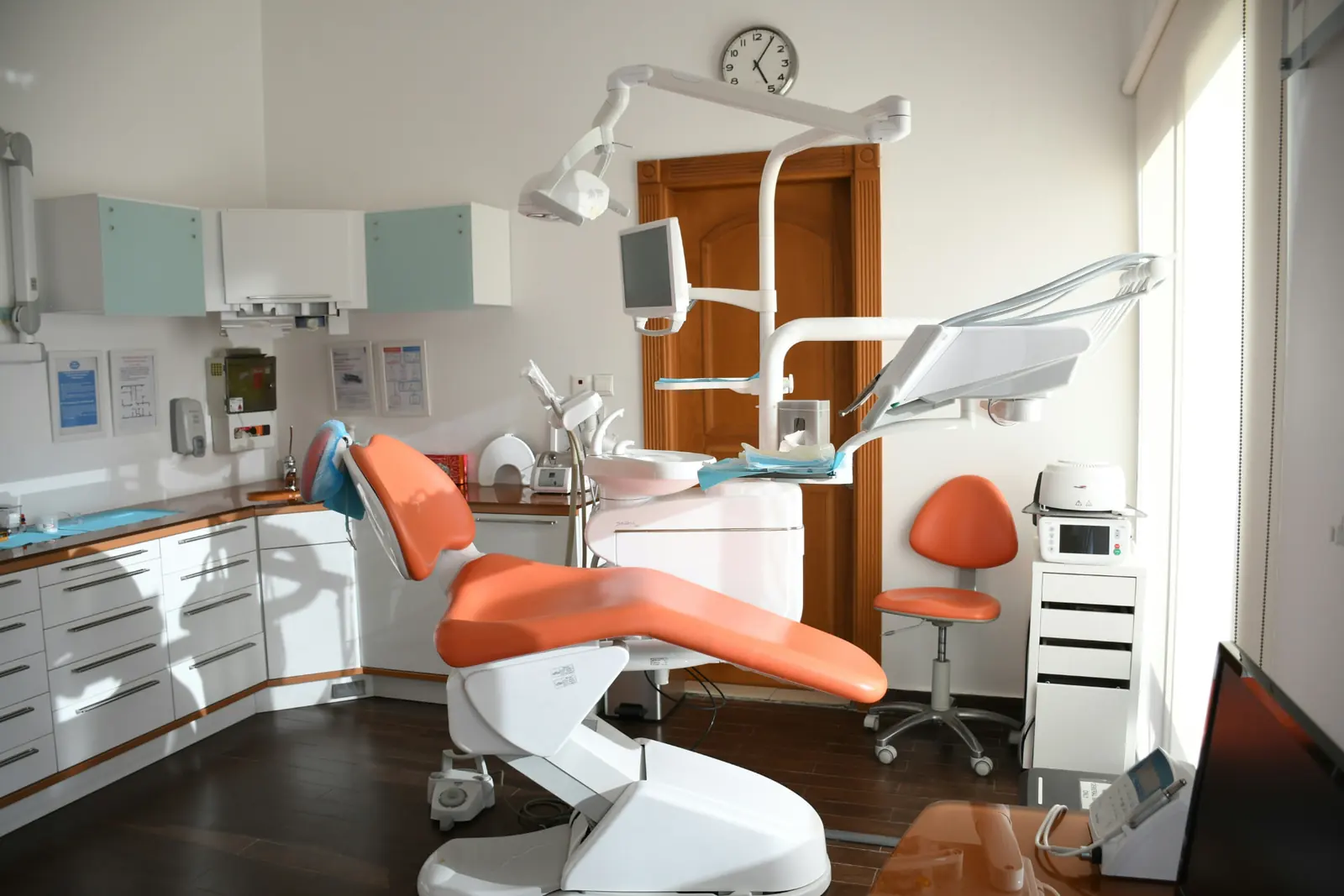
The problem was not traffic in the abstract.
A dental practice needs inquiries from people who can reasonably become patients, not a large count of loosely related clicks. The campaign therefore centered on searches with clear treatment intent and a realistic connection to the practice’s service area.
That distinction matters in local healthcare marketing. Broad traffic can make activity look healthy while the calendar stays unchanged. The work has to connect a specific search, a relevant message, and an immediate way to contact the practice.
The campaign joined search, pages, and measurement.
High-intent search campaigns created the first point of contact. Location-specific pages continued the same promise, giving prospective patients the context they needed without sending them through an unrelated general page.
Call tracking closed the measurement gap. It connected campaign activity to the conversations that reached the practice, making it possible to judge the work by patient opportunity rather than click volume alone. Those three pieces—intent, page relevance, and call measurement—formed one focused path.
The outcome: 45 new patients.
The verified result was 45 new patients. Spry Growth does not present that number as a universal forecast. Outcomes depend on market demand, services, competition, capacity, follow-up, and the offer patients see.
Across managed Google and Meta accounts, Spry Growth has historically seen a typical 4–6x return on ad spend, but that range is not a guarantee. The useful lesson from this dental result is the operating approach: focus on buying intent, keep the landing experience specific, and measure the action that matters to the business.